
A defined damaged area
Repair can fit when damage is localized, compatible replacements are available and the adjoining shingles remain workable. The connection to underlayment, fasteners and flashing still has to be sound.
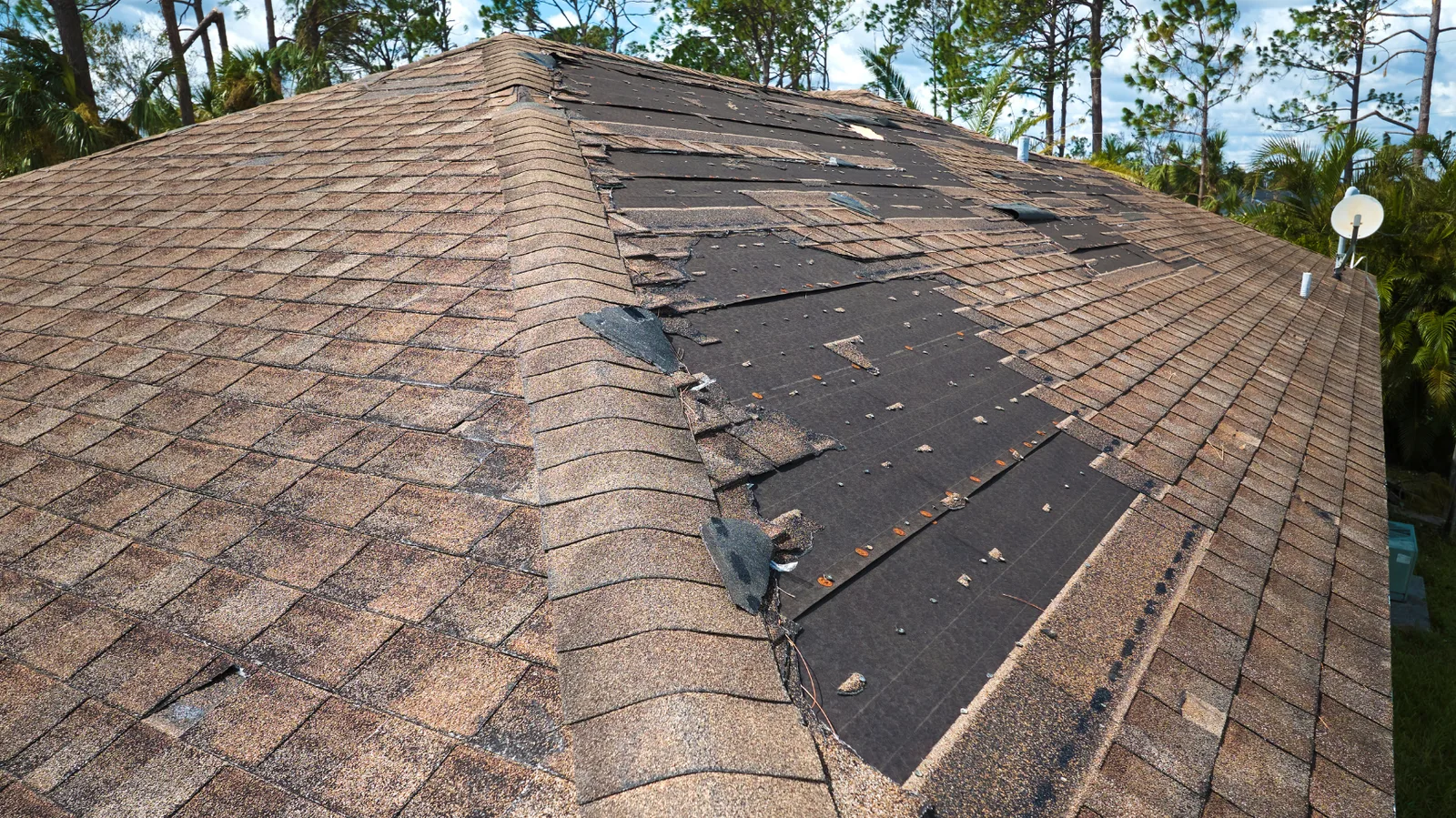
A roof after hail needs more than a glance at the gutter or a count of loose granules. The shingle surface, underlying mat and nearby roof details help establish whether impacts caused functional damage.
Damage can look different on an aged shingle than on a newer product. The inspection considers the actual covering, the condition around marks and the roof’s history. Ground-level observations and a storm date are useful context.
Arrange a hail roof inspection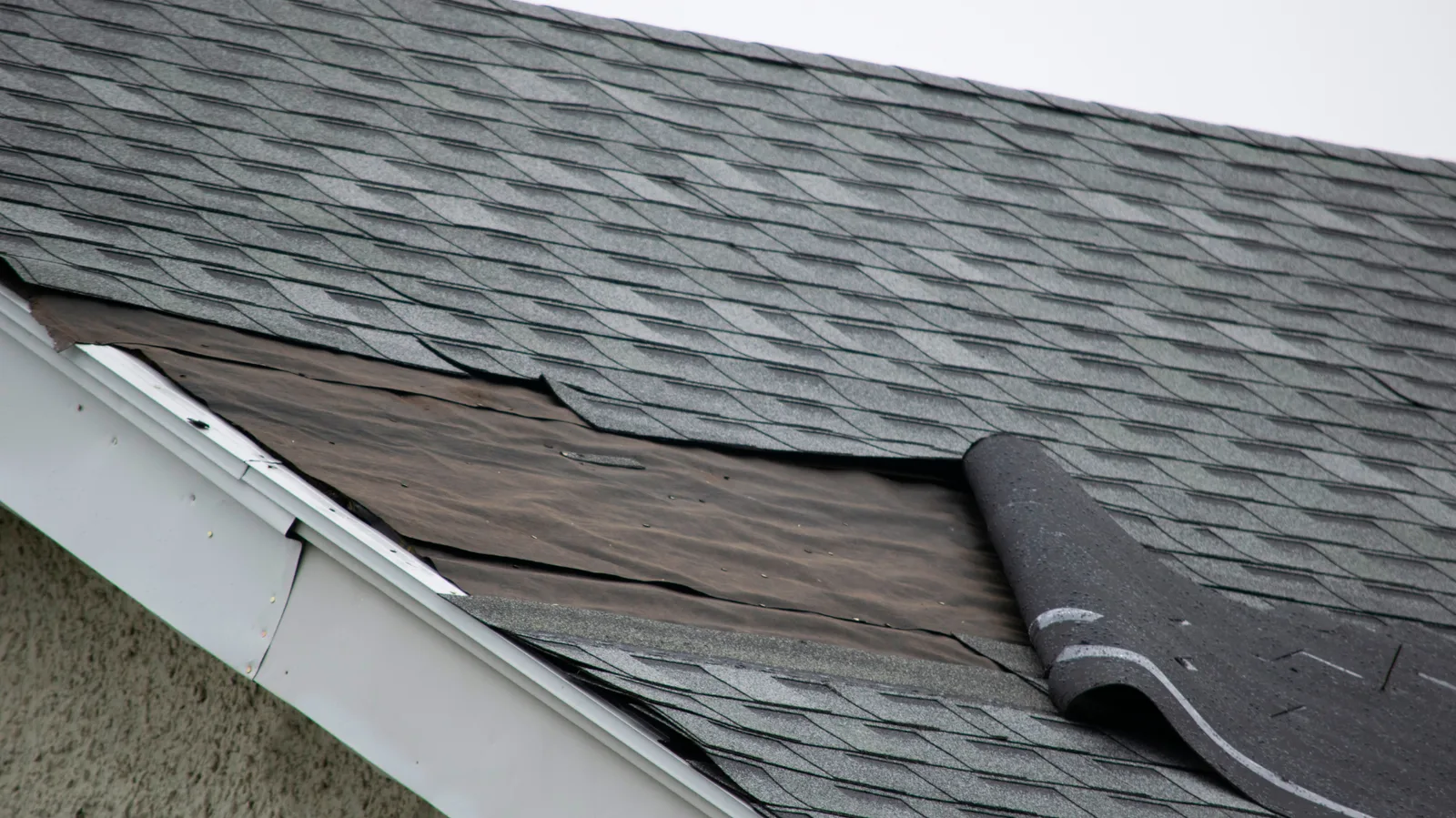
Repair can fit when damage is localized, compatible replacements are available and the adjoining shingles remain workable. The connection to underlayment, fasteners and flashing still has to be sound.
A wider distribution, brittle adjoining material or multiple failing details can make a larger replacement scope appropriate. An impact rating does not make the existing roof hail-proof or settle the condition after a storm.
The roofing assessment describes damage and the physical work needed to resolve it. Coverage, deductibles, depreciation and claim-payment conditions come from the insurance policy and the insurer.
Leawood’s exact-matching and partial-replacement requirements can affect the construction scope. They are separate from the insurer’s decision about what the policy pays.
Understand roof insurance payments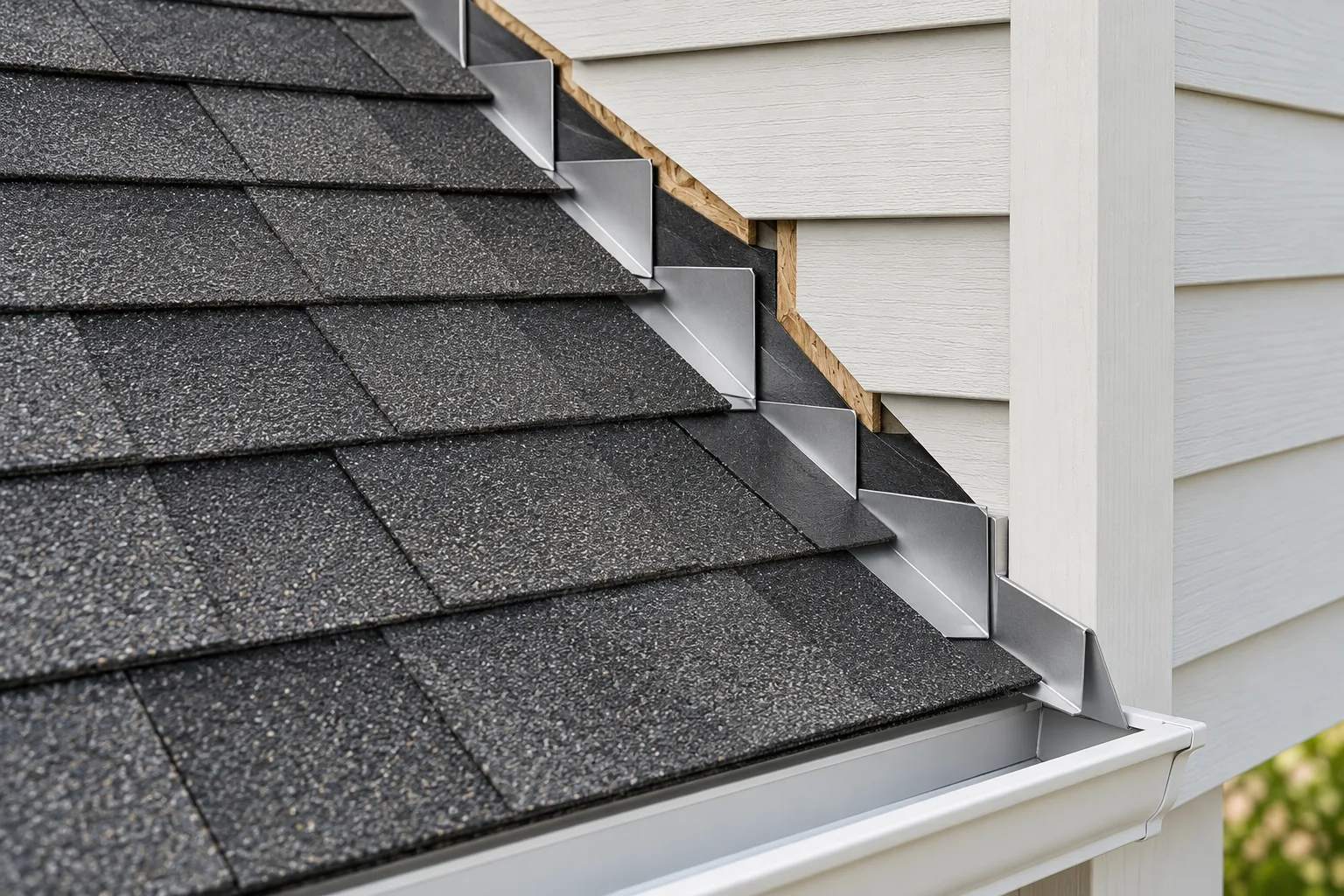
No. Granules can collect for several reasons. The shingle condition and impact effects need to be examined on the roof.
No. Ratings and product tests describe specific performance. Actual storm conditions, installation and the roof assembly still matter.
No. Reports provide location and time context. The roof findings, previous condition and property history remain part of assessing cause.
Tell us where the property is and the storm date if you know it. Start with a free roof inspection.
Call (913) 286-1886