
Repair and maintenance
Defined defects in an otherwise serviceable assembly can be repaired with system-compatible materials. Maintenance keeps drainage and small detail problems from being left until they interrupt the building.
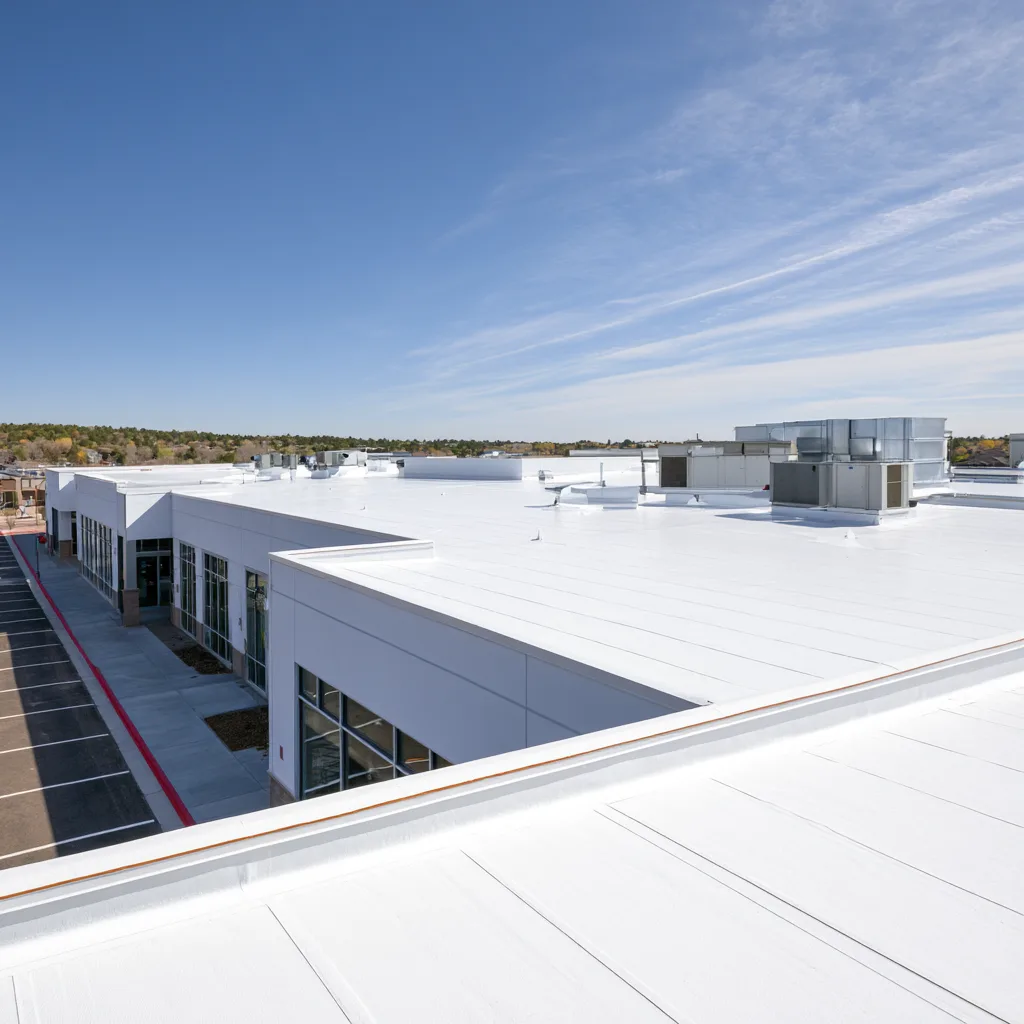
A leak over a tenant space or work area can start at a seam, curb, drain or roof edge well away from the interior symptom. The first job is to connect the water entry to the condition of the membrane and the layers below it.
We consider the roof as an operating asset: what can be repaired, what remains serviceable, where moisture has entered and what work belongs in a longer plan. The existing roof system, attachment and drainage determine the useful options.
Explore flat roof repair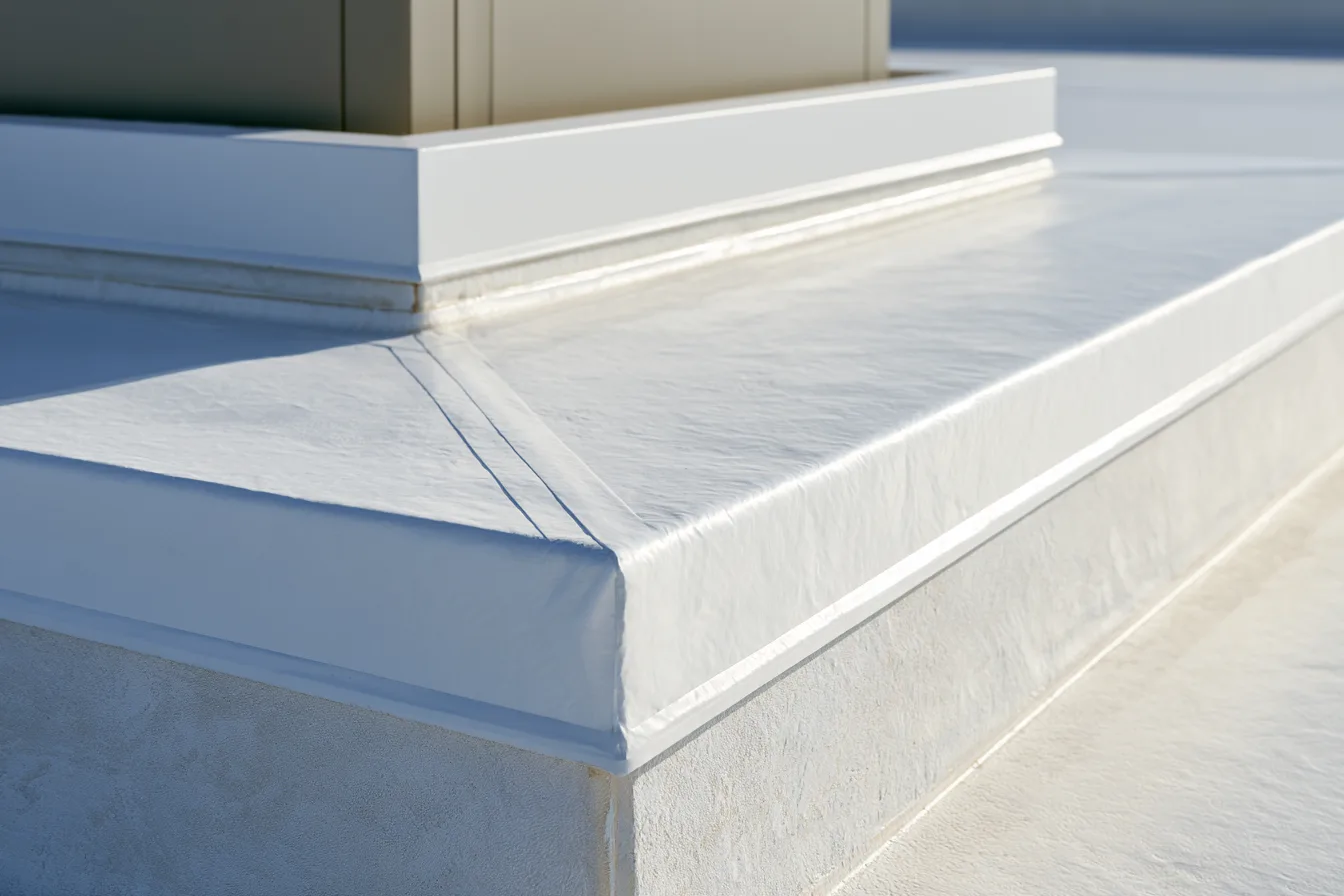
The choice should be based on roof condition and the work each option can actually resolve.
Defined defects in an otherwise serviceable assembly can be repaired with system-compatible materials. Maintenance keeps drainage and small detail problems from being left until they interrupt the building.
A coating needs an eligible, prepared and sound substrate. Wet insulation, failed attachment or widespread deterioration can require removal or replacement instead. Recover suitability also depends on the assembly and local requirements.
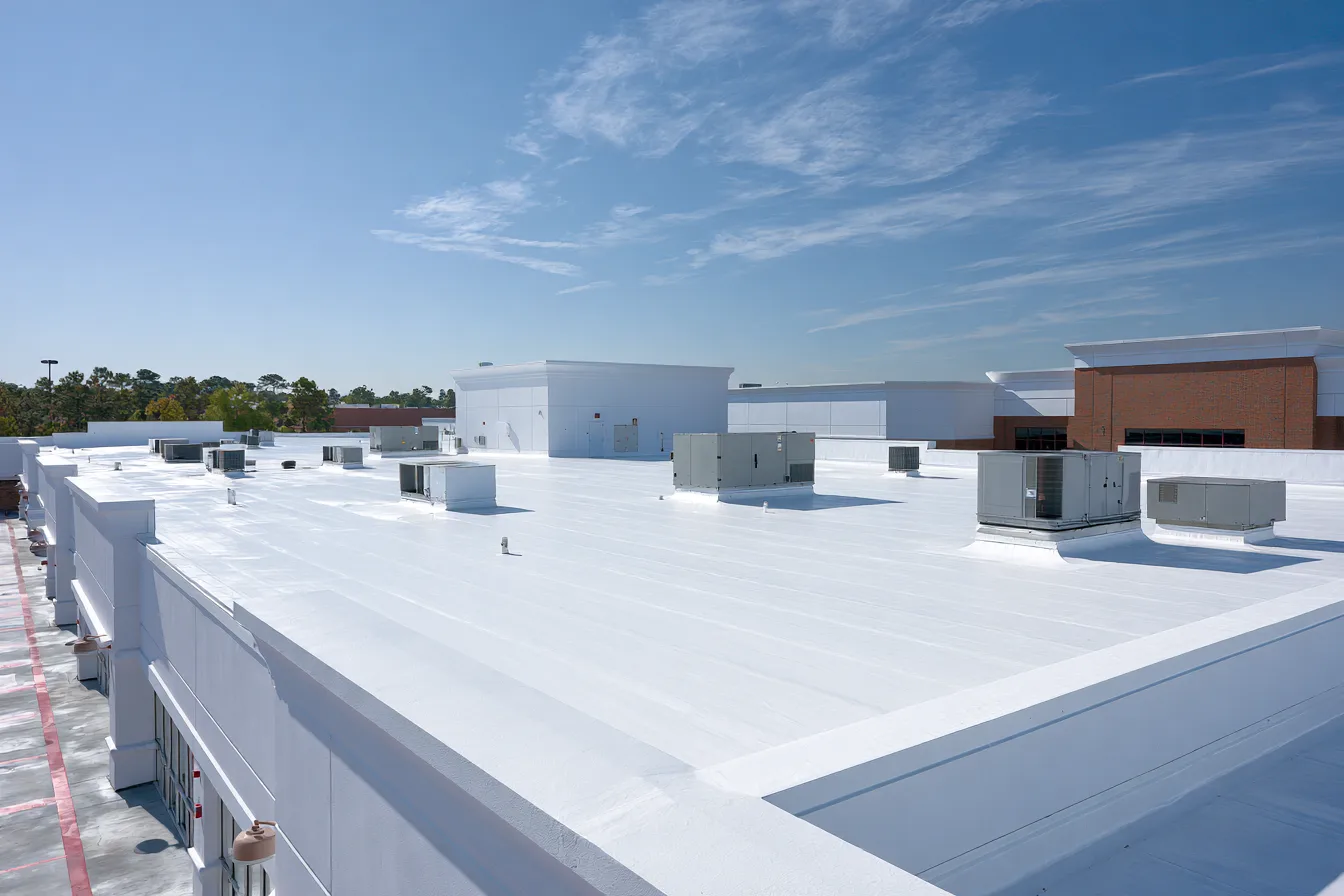
Heat-welded membrane seams, curbs, edges and compatible repair details.
Explore TPO roofing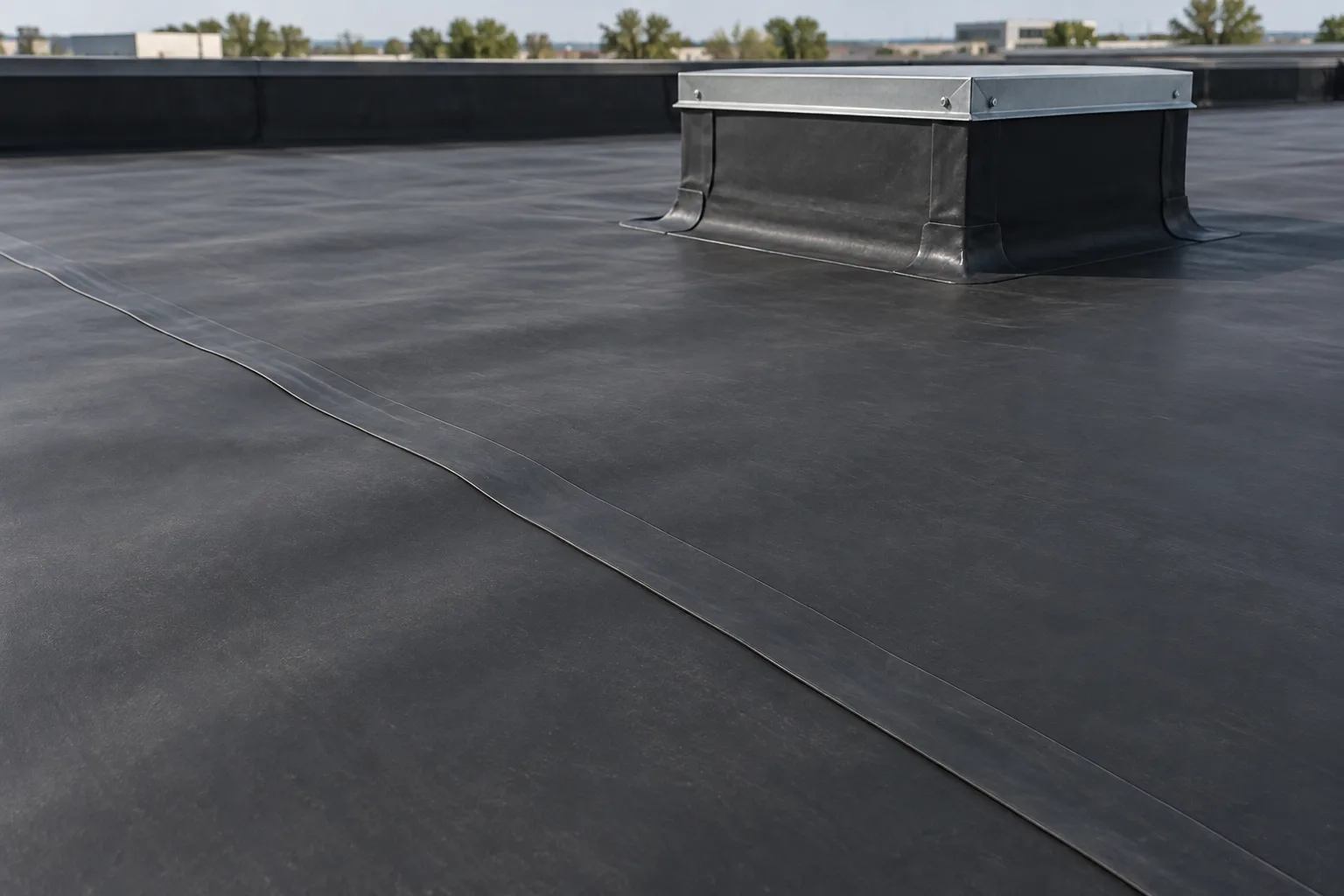
Rubber membrane, taped splices and system-specific flashing connections.
Explore EPDM roofing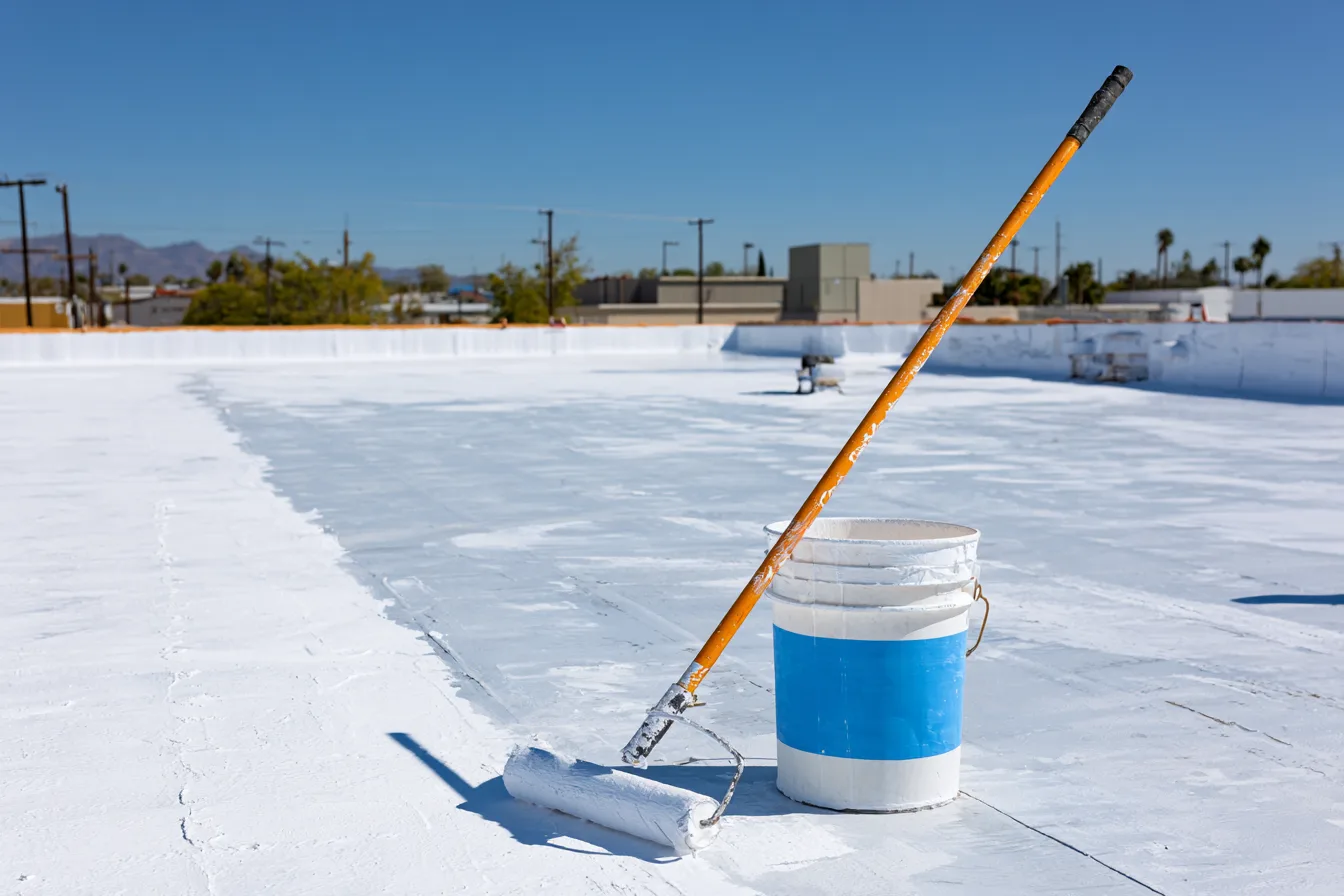
Evaluate eligible restoration after moisture and substrate problems are resolved.
Explore Roof coatingsPlan tear-off or eligible recover, insulation, drainage and perimeter details.
Explore Commercial replacementKeep roof findings, drainage and equipment changes in an ongoing roof plan.
Explore Roof maintenanceThe roof plan needs the occupied areas, sensitive stock or equipment, access route and affected drains. Interior protection and temporary measures are coordinated with the owner.
Curbs, pipes, mechanical units and service traffic interrupt the membrane. Roofing and equipment work need compatible interfaces and a planned sequence.
Loading, staging, openings and weather exposure are planned around the building. The work scope establishes the actual sequence and any operating restrictions.
A commercial roof needs a system-specific scope. The residential architectural-asphalt calculator does not price membranes, coatings or commercial replacement.
Roof area sets part of the material quantity. Insulation thickness and condition, attachment requirements, drainage work and the number of curbs or penetrations change the assembly and labor.
Wet layers, deck damage, existing coverings, roof access and debris handling affect removal. Occupied-space protection, staging and equipment coordination add project-specific work.
Only when the existing roof is eligible and the underlying condition supports restoration. A coating is not a substitute for removing wet insulation or correcting a failed substrate and drainage defects.
It needs a functioning drainage path. Low-slope roofs still rely on the roof shape, drains, scuppers and outlets to carry water away.
That depends on the work, occupancy and protection needs. Access, staging, roof openings and sensitive interior uses are coordinated as part of the actual project plan.
Share the building location, the area affected and the system if you know it. Request a free roof inspection.
Call (913) 286-1886