
Where a roof meets a wall
A garage or addition can create a wall-side transition. Step flashing, kick-out flashing and the wall’s drainage layer need to work together. A surface patch does not replace an open connection behind siding.
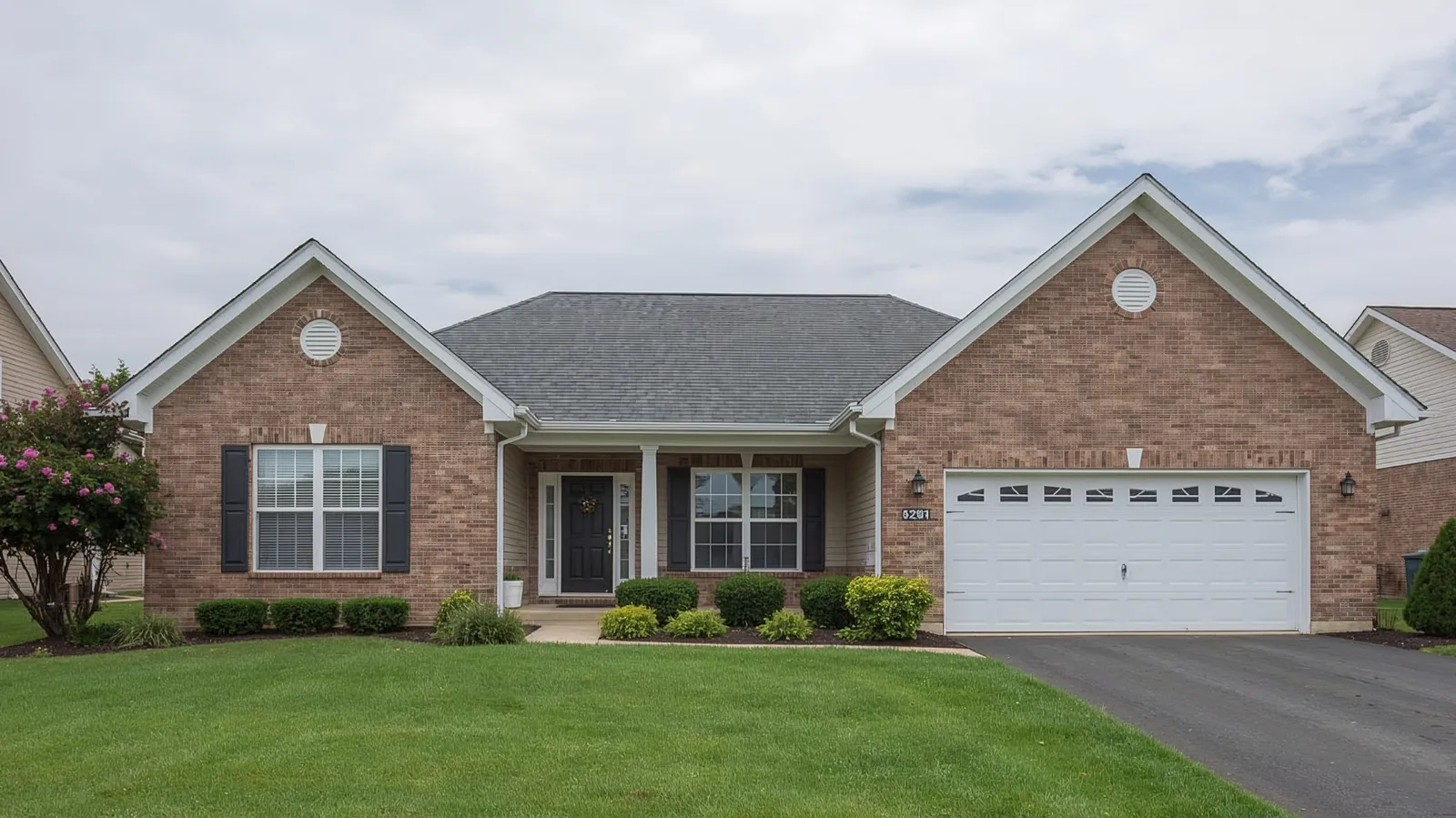
The city identifies Historic District II from 83rd Street to 89th Street, with High Drive on the east and Fairway, Ensley, Overhill and Cherokee along the western boundary. That is the district context, not a description of the roof on every house.
A roof can have changes from past replacement, an addition or earlier repairs. We evaluate its current material and connections, whether you noticed a new stain or are planning a broader project.
Request a free roof inspection
A garage or addition can create a wall-side transition. Step flashing, kick-out flashing and the wall’s drainage layer need to work together. A surface patch does not replace an open connection behind siding.
Pipes, chimneys and other roof openings have their own flashing details. A leak near one of them needs the actual entry path traced before repair is defined.
The current covering, deck support and affected details establish whether a focused repair can fit.
Replacement planning considers profile, color and system compatibility alongside Leawood’s actual material and matching requirements.
Roof access, landscaping and debris handling depend on the house and work area. They are considered in the project, without assuming every property has the same layout.
District identification alone does not establish a particular project’s approval requirements. The address, existing roof and proposed work must be considered with the city process.
Yes. Different slope, covering or a roof-to-wall connection can change the scope. The inspection considers how that area joins the rest of the assembly.
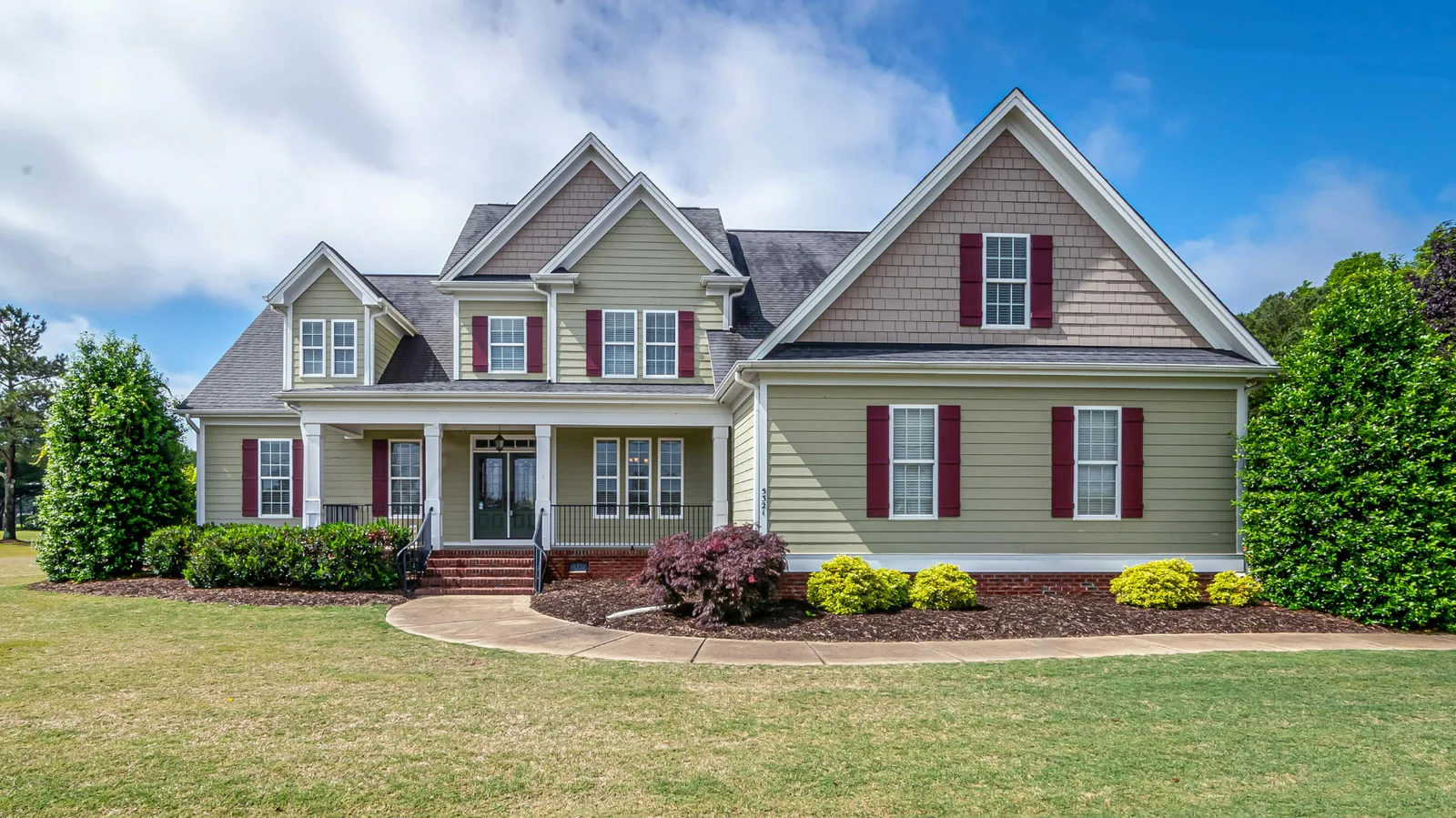
Tell us about the current concern at your Historic District II property.
Call (913) 286-1886